
The Great Migration is one of Africa’s most breathtaking wildlife events. Every year, millions of wildebeests, zebras, and gazelles move across the Serengeti into the legendary Maasai Mara National Reserve. Therefore, travelers from around the world visit Kenya to witness this spectacular journey.
If you are planning a Kenya safari, timing matters. The right season gives you unforgettable wildlife sightings, dramatic river crossings, and incredible photography opportunities. This Kenya Great Migration guide explains the best months to visit Maasai Mara and how to enjoy the perfect safari experience.
What Is the Great Migration in Maasai Mara?
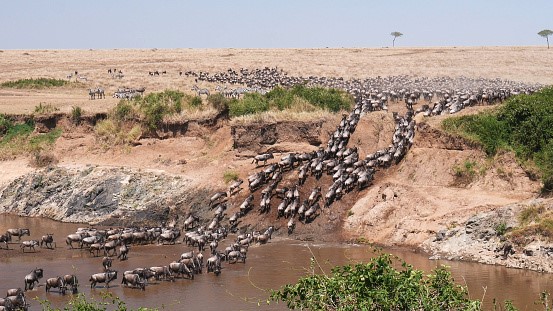
The Great Migration is the annual movement of over 1.5 million wildebeests across East Africa. The animals travel between Tanzania’s Serengeti and Kenya’s Maasai Mara searching for fresh grass and water.
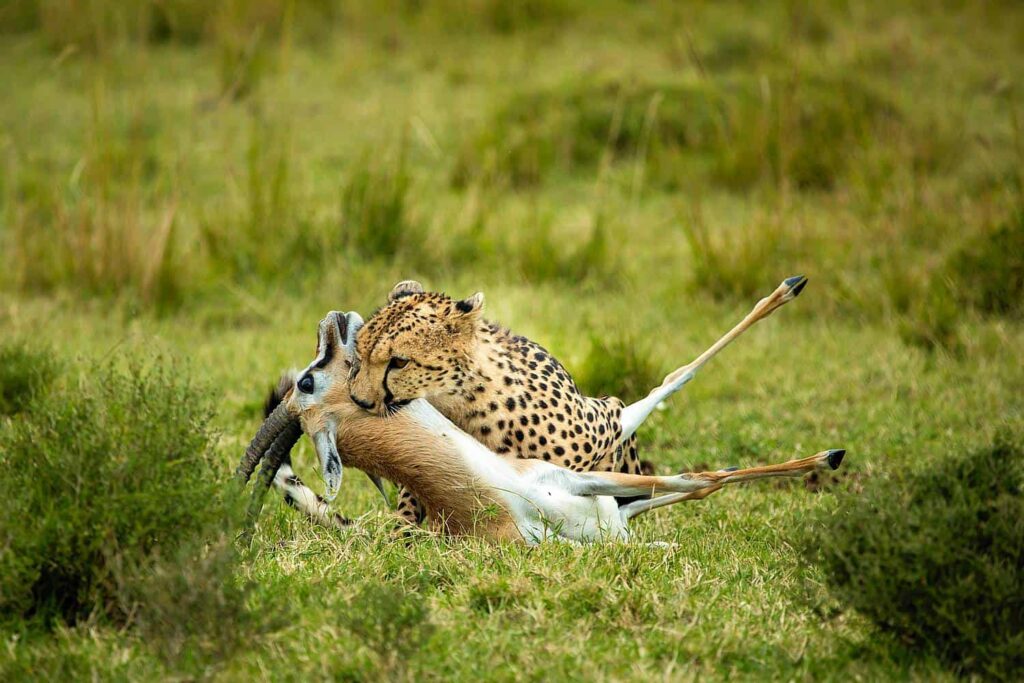
This natural event attracts predators like lions, cheetahs, crocodiles, and hyenas. As a result, visitors enjoy thrilling wildlife encounters throughout the migration season.
The wildebeest migration in Maasai Mara usually starts in July and continues until October. However, weather patterns can slightly change the timing every year.
Why Maasai Mara Is Famous for the Great Migration
Maasai Mara National Reserve is famous because it offers some of the best wildlife viewing in Africa. In addition, the reserve provides open grasslands that make animal spotting easier.
Many travelers choose a Maasai Mara wildlife safari because of:
- Large concentrations of wildebeests
- Exciting predator action
- Scenic savannah landscapes
- Dramatic Mara River crossings
- Excellent safari lodges and camps
Moreover, Maasai Mara has abundant wildlife throughout the year. Therefore, even outside migration season, the reserve remains a top safari destination.
The Best Months to Visit Maasai Mara
Choosing the best month to visit Maasai Mara depends on your safari goals. Some travelers prefer river crossings, while others want fewer crowds or better photography conditions.
July to October: Peak Migration Months
July to October is the best safari season in Kenya for witnessing the migration. During these months, huge herds arrive in Maasai Mara from the Serengeti.
Visitors enjoy:
- Massive wildebeest herds
- Predator interactions
- High wildlife activity
- Excellent game drives
August and September are especially popular because the Mara River crossings usually happen during this period.
November to February
This season offers fewer tourists and lower accommodation rates. Although the migration herds begin moving south, wildlife viewing remains excellent.
Birdwatchers also enjoy this season because migratory bird species arrive in the reserve.
March to June
The rainy season transforms the plains into lush green landscapes. While migration herds are mostly absent, photographers love the dramatic scenery and soft lighting.
Weather Conditions During the Migration Season
The Maasai Mara migration season coincides with dry weather conditions. Therefore, animals gather around rivers and water sources, making wildlife easier to spot.
How Rainfall Affects Wildlife Movement
Rainfall strongly influences migration routes. Heavy rains create fresh grazing areas, causing herds to move quickly across ecosystems.
Dry months usually provide:
- Better road conditions
- Easier wildlife viewing
- Comfortable safari experiences
However, short rains can sometimes create stunning landscapes and fewer tourist crowds.
When to Witness the Dramatic River Crossings
The Mara River crossings are the highlight of many safaris. Thousands of wildebeests jump into crocodile-filled waters while predators wait nearby.
The Role of the Mara River Crossings
River crossings happen mainly between August and September. However, crossings are unpredictable because animals move naturally.
To improve your chances:
- Stay near the Mara River
- Book longer safari stays
- Choose experienced safari guides
- Plan early morning game drives
These crossings create unforgettable safari moments and incredible photography opportunities.
Best Time for Wildlife Photography in Maasai Mara
Wildlife photographers prefer the dry season because animals gather in open areas. Additionally, golden sunrise and sunset lighting enhances photography quality.
Early Morning Game Drives Explained
Morning drives offer:
- Active wildlife behavior
- Cooler temperatures
- Better lighting conditions
- Fewer safari vehicles
Therefore, photographers often start game drives before sunrise.
Hot Air Balloon Safaris Over Maasai Mara
Hot air balloon safaris provide breathtaking aerial views of the migration. You can watch herds moving across endless plains while enjoying sunrise over the savannah.
This experience is ideal for honeymooners, photographers, and first-time safari travelers.
Peak Season vs Low Season in Maasai Mara
Peak season runs from July to October. During this period, accommodation prices increase because of high tourist demand.
Benefits of peak season include:
- Best migration sightings
- Excellent wildlife activity
- Dry weather conditions
However, low season offers advantages too.
Low season provides:
- Lower safari costs
- Fewer crowds
- Peaceful game drives
- Better lodge availability
Travelers seeking affordable Kenya safari packages often prefer shoulder seasons.
What Animals Can You See During the Migration?
A Maasai Mara safari timing strategy helps maximize wildlife sightings. Besides wildebeests, visitors commonly see:
- Lions
- Leopards
- Cheetahs
- Elephants
- Buffaloes
- Zebras
- Giraffes
- Hippos
- Crocodiles
Bird lovers also enjoy hundreds of bird species across the reserve.
Travel Tips for Visiting Maasai Mara During Migration
Planning ahead improves your safari experience significantly.
Packing Essentials for a Maasai Mara Safari
Bring these important items:
- Neutral-colored clothing
- Binoculars
- Camera equipment
- Sunscreen
- Comfortable walking shoes
- Light jacket for mornings
Tips for Booking Your Migration Safari Early
Book your safari at least six months early. Peak season lodges fill quickly, especially near river crossing areas.
Also, compare safari operators carefully before booking.
Choosing the Right Safari Package for the Great Migration
Different safari packages suit different travel styles and budgets.
Budget vs Luxury Safari Options
Budget safaris offer affordable shared game drives and tented camps. Meanwhile, luxury safaris include premium lodges, private guides, and exclusive wildlife experiences.
Best Safari Lodges Near the Migration Routes
Staying near migration routes increases your chances of seeing dramatic wildlife action. Many camps near the Mara River offer quick access to major crossing points.
Family Safari Experiences During Migration Season
Families enjoy educational game drives, cultural visits, and child-friendly safari lodges. Many camps also provide family tents and flexible safari schedules.
Conclusion
The best time to visit Maasai Mara for the Great Migration is between July and October. During these months, travelers witness spectacular river crossings, massive wildebeest herds, and thrilling predator action.
However, every season offers unique safari experiences. Whether you prefer luxury travel, wildlife photography, or budget adventures, Maasai Mara delivers unforgettable memories.
Start planning your Great Migration Kenya safari early to secure the best lodges and game-viewing opportunities. Your dream African safari awaits in the breathtaking plains of Maasai Mara National Reserve.